
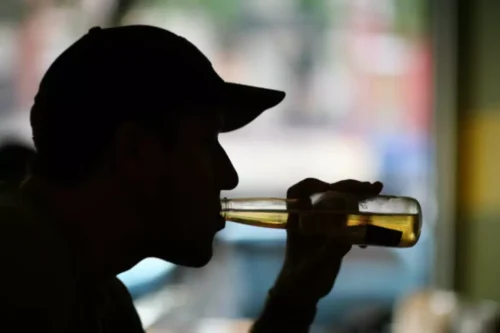
Platelets are important for the coagulation of blood and heavy drinking impairs the generation as well as function of these platelets. The more you drink, the lesser the chance that your blood will clot, you get bruises after drinking due to those left by some minor bruises. If your pattern of drinking results in repeated significant distress and problems functioning in your daily life, you likely have alcohol use disorder. However, even a mild disorder can escalate and lead to serious problems, so early treatment is important.

If you notice that you or someone you know is bruise easily, it may be a sign of alcoholism. Middle-stage alcoholics may become irritable or angry if confronted about their drinking. Excessive alcohol consumption can lead to easy bruising due to its effects on blood clotting and liver function. The early or adaptive stage of alcoholism marks the beginning of an alcoholic’s struggle with addiction. At this point, drinking is no longer just a casual social activity Alcohol Use Disorder — it’s become a daily habit that may be used to cope with stress, anxiety or other emotional problems.
Frequently Asked Questions: Can Alcoholism Cause Bruising?
Platelets are responsible for initiating the clotting process when there is injury to a blood vessel. Excessive alcohol consumption can lead to reduced platelet aggregation and function, meaning that even minor injuries may result in more significant bruising. Relapse Prevention is designed to assist the patient in recognizing high-risk behaviors and situations that can potentially lead to relapse. Relapse prevention techniques often include acquiring healthy coping skills to help a substance user navigate through any challenges they may face.
Brain Fog, Confusion, or Mood Changes
Reach out to Addiction Free Recovery today, and let us be your partner in the journey to a healthier, addiction-free life. Learning to understand the interaction of drugs might be the very first step toward reducing bruising after alcohol intake and keeping one fit. Plus, you’re more susceptible to an accidental fall or bump after you’ve been drinking, anyway. The best approach to prevent alcohol-induced bruising is to minimize or stop consuming alcohol in large volumes. In other words, bruising alone isn’t enough to diagnose alcoholism, but it can be a sign.
Can You Get Internal Bleeding from Alcohol Abuse
“There are many genetic blood abnormalities that alcohol and bruising can cause easy bruising,” Dr. Kappel says. Below, a highlight reel of possible reasons behind your bruises to help you — with an assist from your doctor — get to the bottom of why you’re always black and blue. There are a number of medications and supplements that can increase your risk of bruising. Find support for yourself and other family members in a rehab family program. Go to an Al-Anon or Alateen meeting or set up an appointment with a mental health professional. At the end of the day, the person with addiction has to be willing to accept help.
Addiction rehab
- If you’re bruising easily, even when you don’t remember banging yourself, you’re not alone, especially if your younger days are behind you.
- The Centers for Disease Control and Prevention (CDC) defines moderate drinking as up to one drink per day for women and up to two drinks per day for men.
- This chronic but treatable condition causes broken blood vessels on or near the nose, giving the red, bumpy appearance linked with an alcoholic nose.
- Liver disease is one of the most significant contributors to easy bruising in individuals with alcoholism.
Withdrawal side effects can be incredibly uncomfortable, which can lead a person to resume drinking to alleviate these side effects. Because of this fact, a person with an alcohol use disorder may have several failed attempts to stop drinking. When someone develops an alcohol use disorder, they will show signs or symptoms that are characteristic of this condition. To a lesser extent, vacuoles also develop in the granulocyte precursors of alcoholics. First, alcoholics are more likely to fall and injure themselves, which can cause bruising. Platelets help the blood clot, so a low level of them can cause easy bruising.
These bruises result from microscopic tears in blood vessels under the skin. Unexplained bruises that occur easily or for no apparent reason may indicate a bleeding disorder, especially if the bruising is accompanied by frequent nosebleeds or bleeding gums. Some antibiotics and antidepressants also may cause problems with blood clotting. In people who take medicine that lowers the blood’s ability to clot, bleeding from damage to small blood vessels near the skin’s surface might take longer than usual to stop. This allows enough blood to leak out under the skin to cause a bruise. Easy bruising can indicate low iron levels but there are a number of other potential causes.
Is Alcohol-Induced Bruising Dangerous?
If you keep drinking, your liver can swell, and cells within the liver can die. If the scarring is extensive, the liver may not be able to do its vital work. Under normal circumstances, your brain communicates with your body by sending signals through your central nervous system. Alcohol, like other psychoactive substances, interacts with your central nervous system by altering some of the chemical communication processes. When you want to unlock your front door to go home after a night of drinking, you see the lock, and your brain sends a signal to your hand to move the key toward it.
- Chronic alcohol consumption impairs liver function, reducing the production of proteins necessary for blood clotting.
- Finally, alcoholics may have a deficiency of vitamin C, which is important for healing wounds.
- This condition occurs naturally in our bodies in response to various stimuli.
- They may have such a high tolerance that they do not show any overt signs of intoxication, despite drinking large amounts.
Preventative Measures Against Bruising
Eat fruits, vegetables and protein, and take a multivitamin to get nutrients needed for blood clotting. To allow the liver to heal and the risk of bruising to drop, you must stop drinking altogether. Ensuring that you do not drink at this level could be a wise way to limit your risk of unusual bruising. If you already have unusual bruising, your liver could already be damaged, and that could mean that drinking at any level is not wise for you.
If you’re worried about your drinking habits, don’t hesitate to get help from a healthcare professional. According to the National Library of Medicine, a bruise is a mark under the skin, usually painful and swollen, that occurs because of blood trapped beneath the skin’s surface. When a person gets a bruise, some sort of injury crushes blood vessels, but the skin does not break and cause external bleeding. What all of this means is that people who live with an alcohol use disorder are likely to consume large quantities of alcohol.
Are some people more prone to bruising after drinking?
Over time, alcohol can cause vascular dysfunctions which make vessels more prone to rupture and leakage. Being more conscious about potential hazards and more cautious in your movements can help reduce the chance of injury after drinking. Pace yourself and limit alcohol intake to minimize impairment and risks. A traditional bruise comes about after your body endures some impact.